Top 5 Home Inspection Red Flags Every Buyer Should Know
All you need to know about the top 5 home inspection red flags – Buying a home is one of the biggest investments most people will ever make. A home may appear to be in great condition during a showing, but some of the most serious and expensive issues are often hidden. A professional home inspection can reveal major problems before closing and help buyers avoid unexpected repair costs.
At Eyeball Inspections, we regularly find costly defects during residential home inspections throughout Rancho Cucamonga, Ontario, Upland, Fontana, Riverside, Anaheim, Irvine, and surrounding Southern California areas. Below are the top five home inspection red flags every buyer should know.
1. Roof Problems
Roof defects are one of the most common and expensive issues found during a home inspection. Missing roof tiles, damaged shingles, deteriorated sealants, patch repairs, cracked tiles, ponding water on flat roofs, and exposed underlayment can all indicate current or future roof leaks.
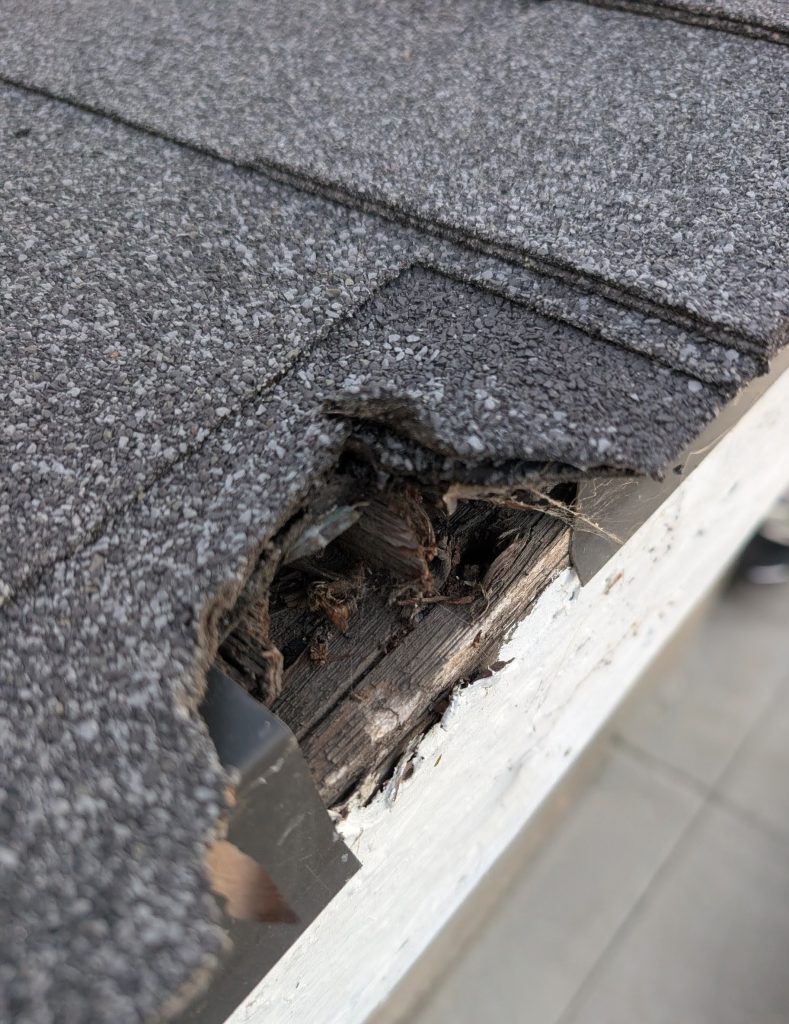
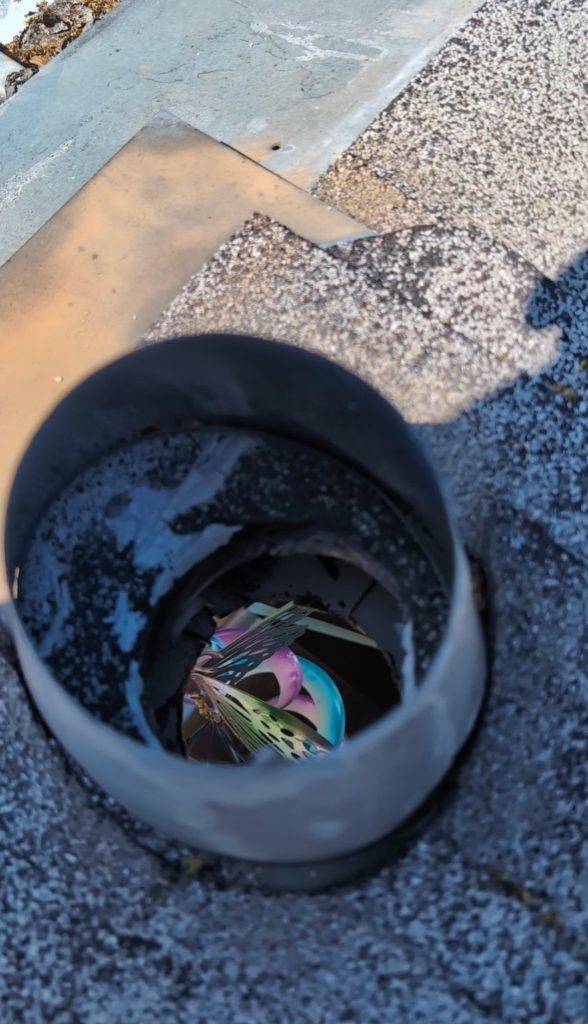
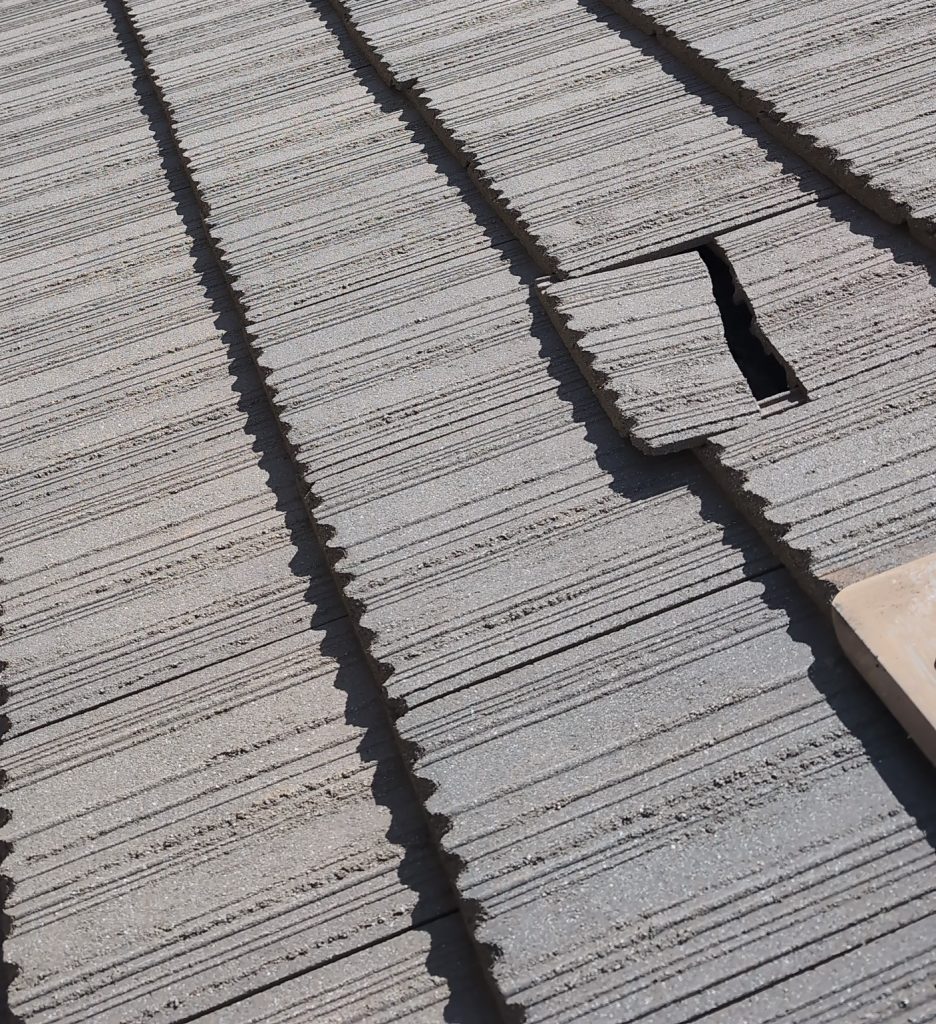
Home Inspection Red Flags – Roof damage and missing vent caps can lead to costly repairs
Roof leaks can lead to damaged ceilings, drywall, insulation, framing, and even mold-like growth inside the home. A roof replacement can cost thousands of dollars depending on the size and condition of the roof.
If a roof shows signs of damage, buyers should request further evaluation by a qualified state licensed C-39 roofing contractor before closing.
2. Hidden Plumbing Leaks
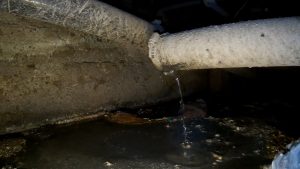
Crawlspace inspection finds a bathroom drain pipe pouring water underneath the home
Hidden plumbing leaks are often found beneath sinks, behind walls, under showers, below flooring, inside ceilings, and inside crawlspaces. In many cases, there are no visible signs until significant damage has already occurred.
At Eyeball Inspections, thermal imaging is included as a courtesy with residential home inspections and commercial property inspections to help detect hidden moisture. Thermal imaging can help identify concealed plumbing leaks, damaged shower pans, leaking drain pipes, roof leaks, and moisture intrusion that may not be visible during a standard walk-through.
Hidden plumbing leaks can lead to damaged building materials, wood deterioration, damaged flooring, moisture staining, and expensive repairs if not corrected.
3. Sewer Line Problems
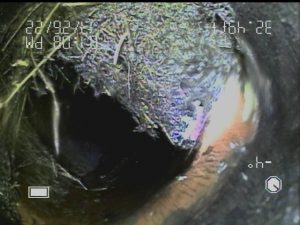
Sewer line defects can be expensive and often remain hidden underground.
A damaged sewer line is one of the most expensive hidden defects a buyer can inherit. Sewer scope inspections often reveal root intrusion, offset drain lines, broken sewer pipes, heavy buildup, bellied drain lines, and collapsed sections.
Many sewer line defects exist underground with no visible symptoms inside the home. Homes with older plumbing systems, mature landscaping, native grass, or large trees are especially vulnerable to sewer line damage.
Sewer repairs can easily cost thousands of dollars, especially when excavation, concrete removal, pipe replacement, or trenchless lining is needed.
For this reason, sewer scope inspections are highly recommended for older homes and buyers seeking extra peace of mind.
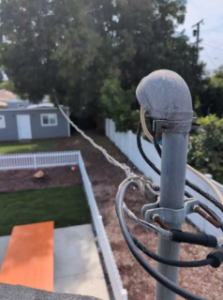
Electrical service wires contacting trees creates a serious fire and safety hazard
4. Electrical Hazards
Electrical defects can create serious fire and safety concerns. Some of the most common electrical issues found during a home inspection include double tapped breakers, outdated electrical panels, exposed wiring, open junction boxes, reversed polarity outlets, missing GFCI protection, and amateur electrical repairs.
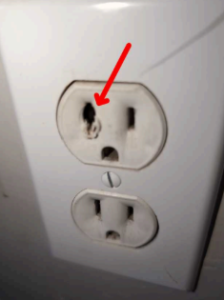
Overheating electrical outlets create a serious fire and safety concern
Older homes may contain outdated wiring methods that no longer meet modern safety standards. Electrical hazards should always be evaluated and repaired by a qualified state licensed electrical contractor.
5. Foundation Cracks and Structural Movement
Foundation issues can be one of the most serious concerns discovered during a home inspection. Large foundation cracks, sloping floors, separated walls, sticking doors, uneven floors, and structural movement can all indicate settlement or structural concerns.
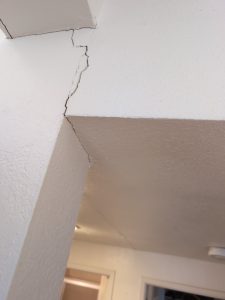
Foundation movement can lead to costly structural cracking/damage
Structural repairs can be extremely expensive and may require further evaluation by a structural engineer or qualified foundation contractor.
Buyers should pay close attention to both interior and exterior signs of movement before moving forward with the purchase.
Why These Home Inspection Red Flags Matter
These top five home inspection red flags can lead to major repair costs after closing if they are not identified early. A professional home inspection gives buyers the opportunity to negotiate repairs, request credits, plan for future maintenance, and make a more informed buying decision.
A detailed home inspection can help buyers:
- Understand the true condition of the home
- Identify expensive hidden defects
- Negotiate repairs or credits
- Avoid costly surprises after moving in
- Gain peace of mind before closing
Eyeball Inspections provides thorough residential home inspections, commercial property inspections, sewer scope inspections, pool and spa inspections, and thermal imaging inspections throughout Southern California.
If you are buying a home in Rancho Cucamonga, Ontario, Upland, Fontana, Riverside, Anaheim, Irvine, or surrounding areas, contact Eyeball Inspections for a thorough inspection from roof to foundation.